


It is not just about asking who participates, but about looking at who can actually get there.
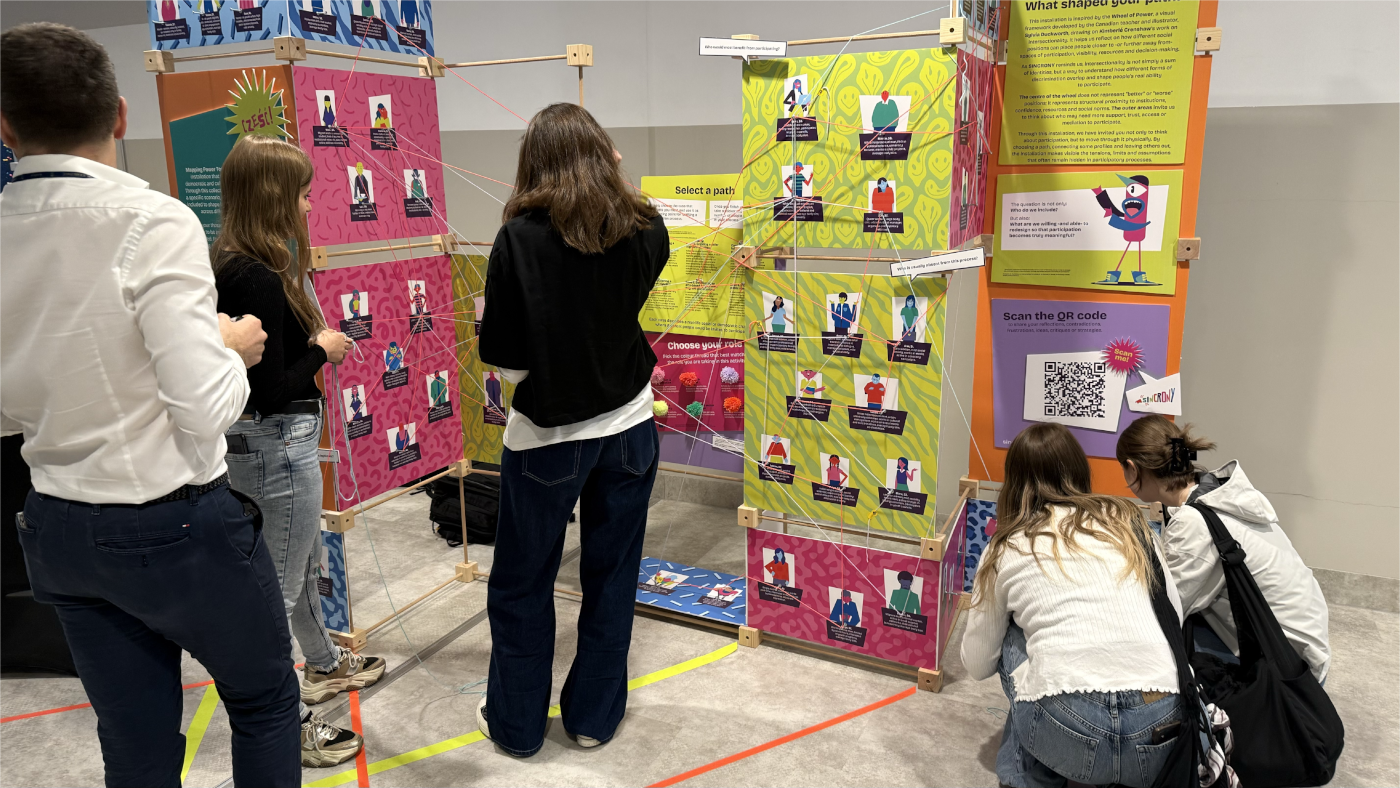
The installation does not explain intersectionality: it turns it into a physical experience. It makes visible how systems, norms and structures of power place certain positionalities closer to or further away from the centre of decision-making, and how limited resources force uncomfortable decisions about inclusion, representation and democratic justice.

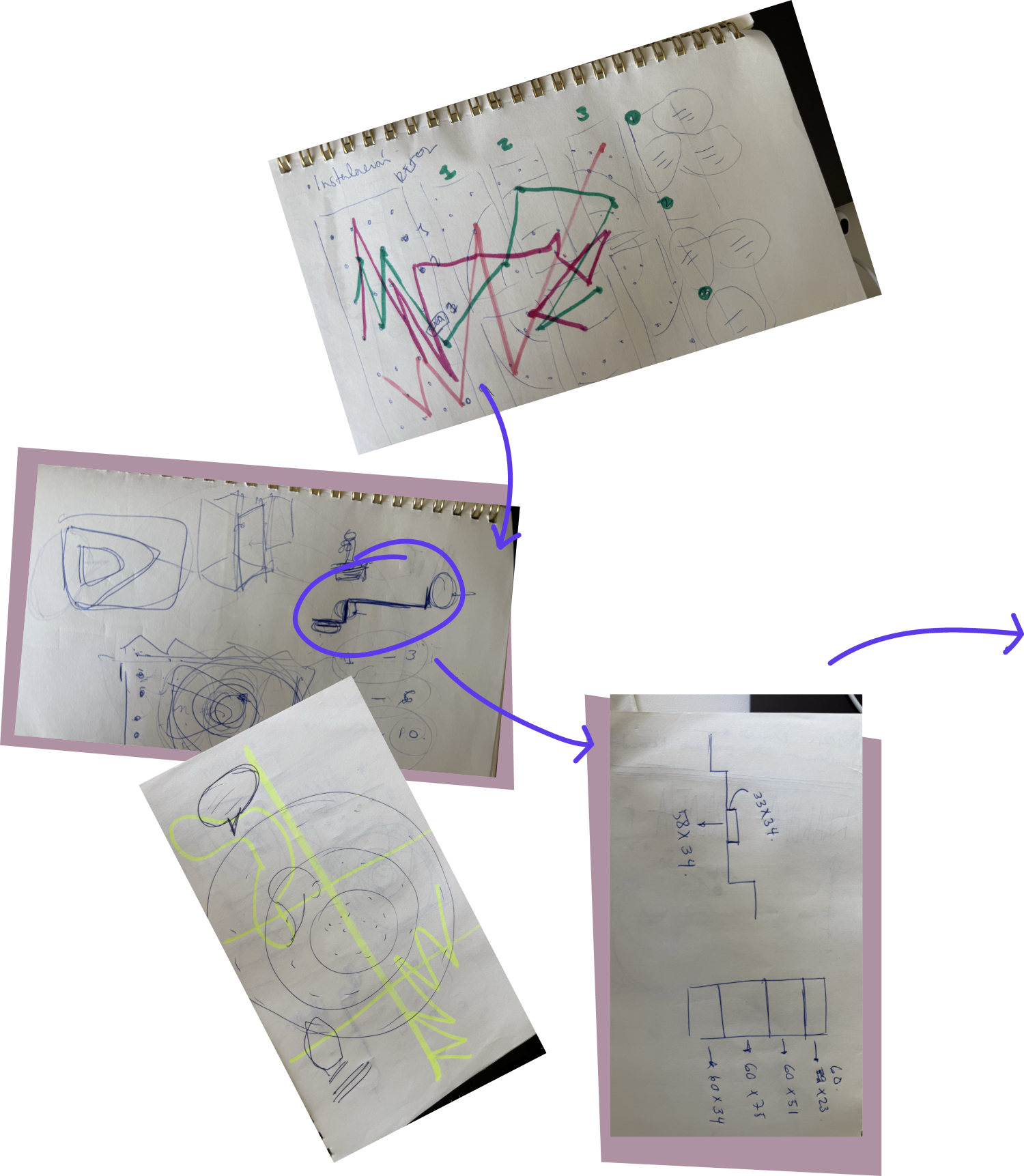



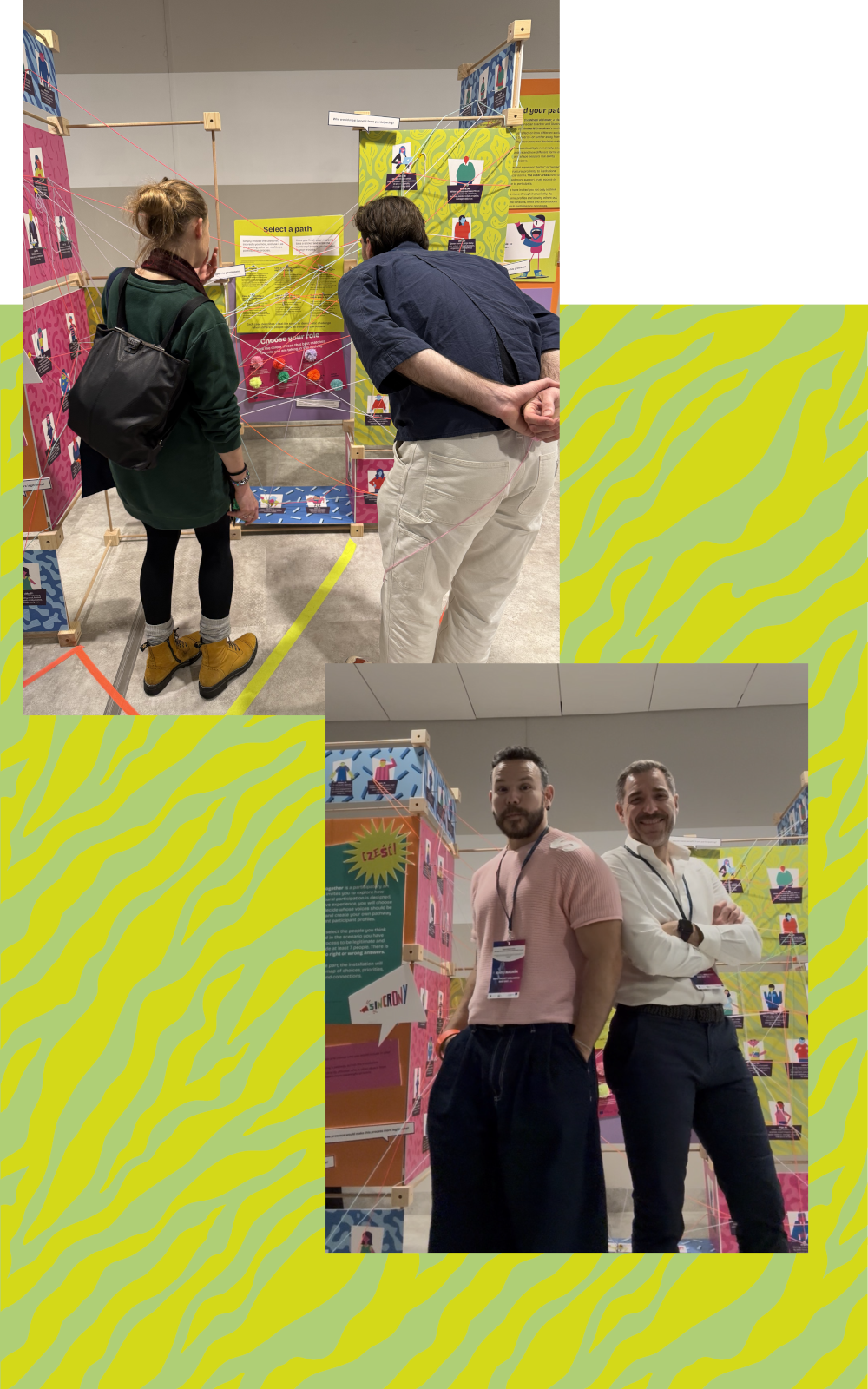
The installation starts from a simple and recognisable experience: that feeling of always being at the end of the list because your surname begins with Z. It is a small, almost everyday example, but it opens up a much bigger question: what happens when the place we occupy does not depend only on our own decisions, but on how the system and structures of power position certain positionalities closer to or further away from the centre?
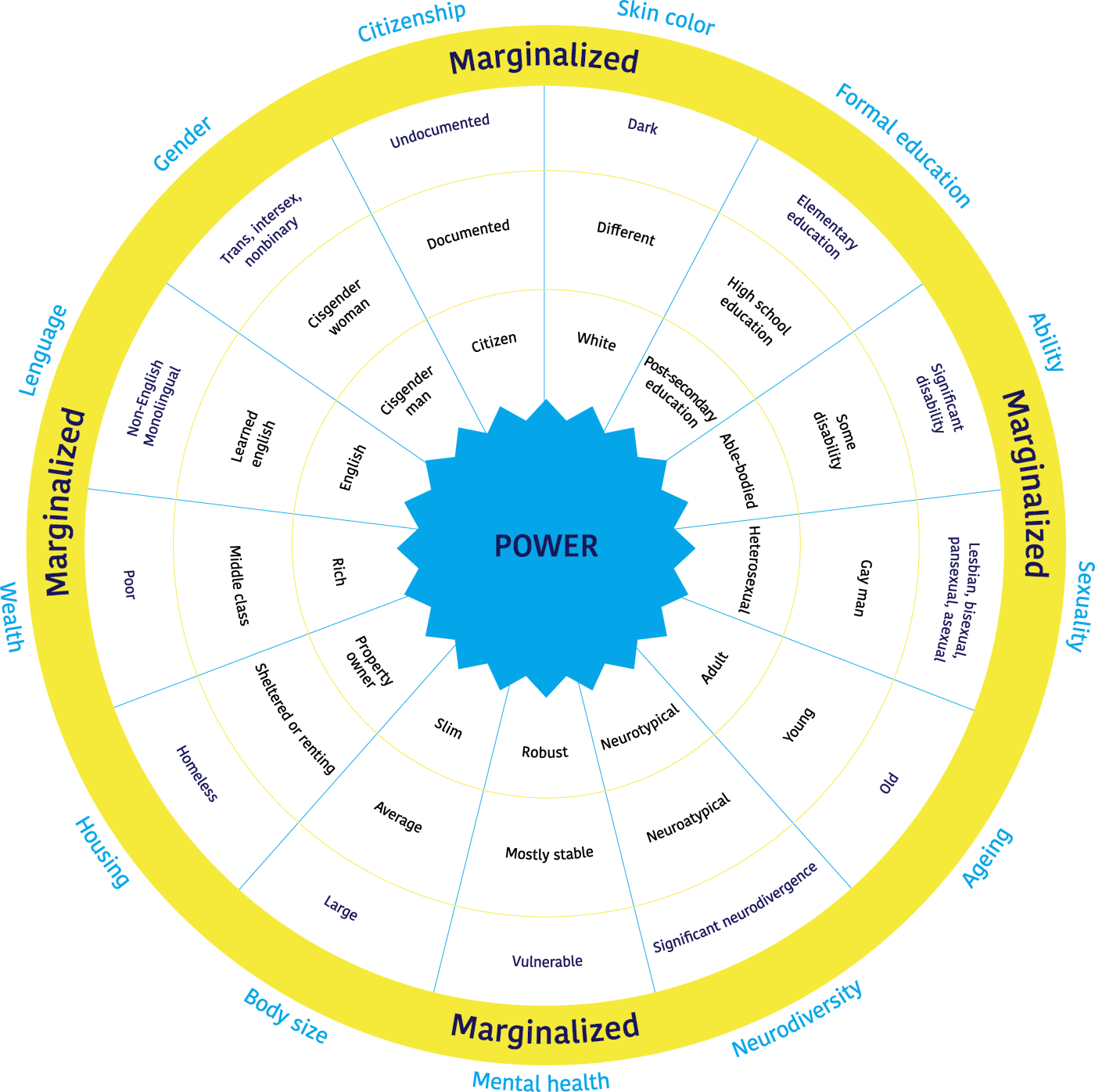

From this idea, the exercise seeks to bring theory into a physical space. It is not only about explaining concepts such as intersectionality, positionality, inclusion or democratic legitimacy, but about enabling people to experience them physically.
The starting point connects with one of SINCRONY’s central objectives: to promote the meaningful inclusion of young people experiencing social disadvantage or marginalisation in deliberative and participatory processes [D2.1, p. 5]. The installation turns this idea into a concrete experience:
What does it really mean to include when resources are limited?
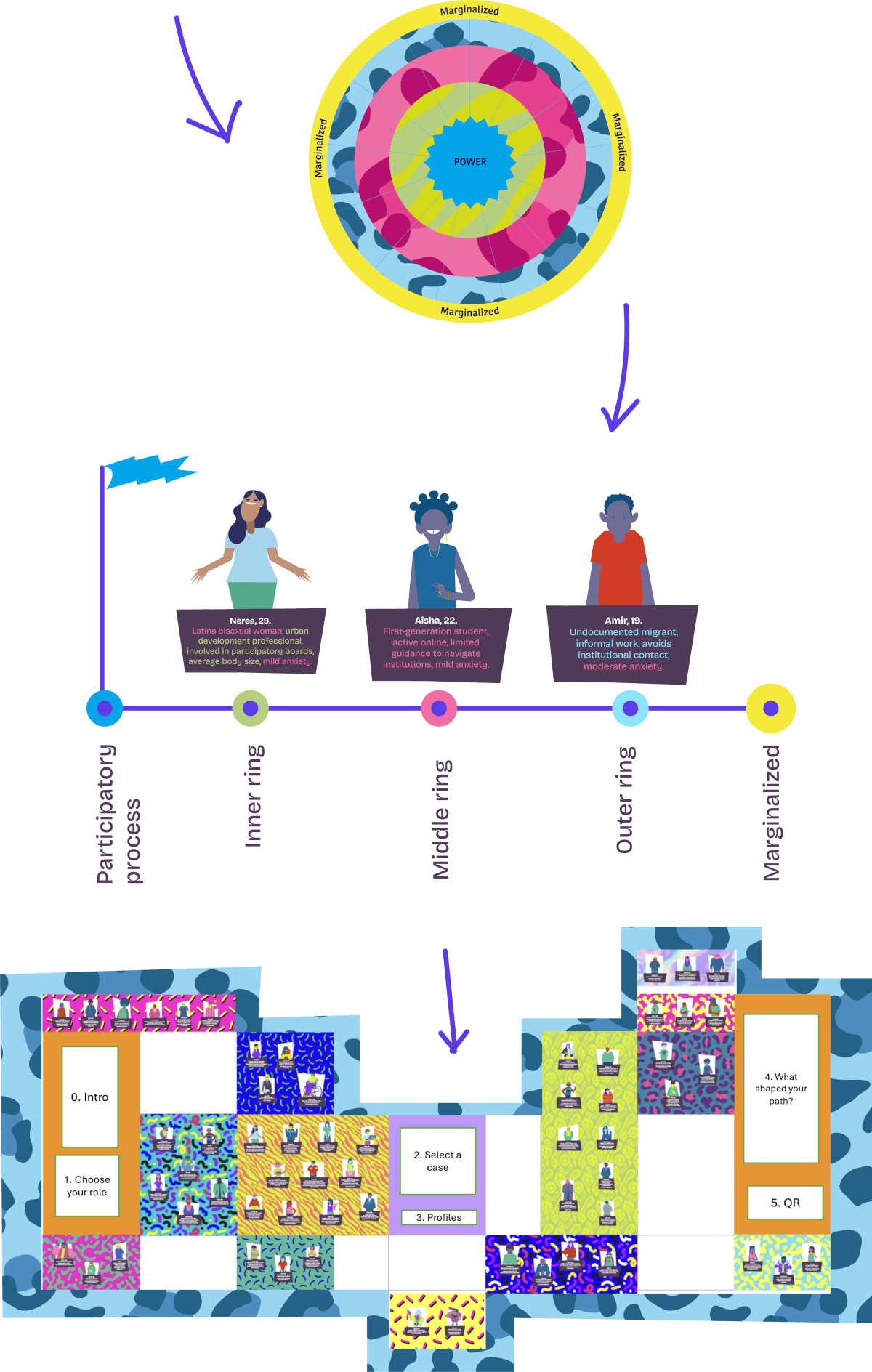
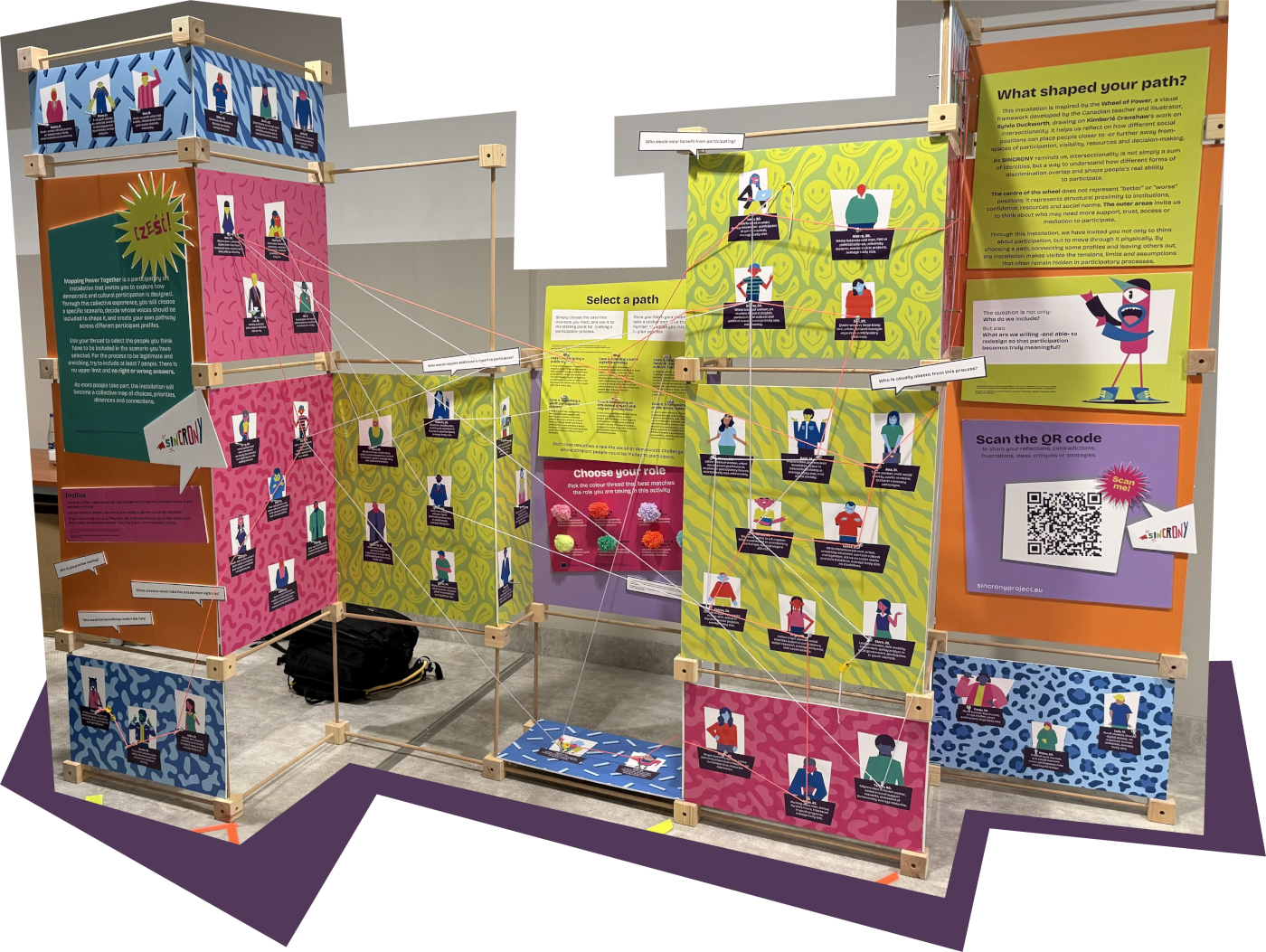
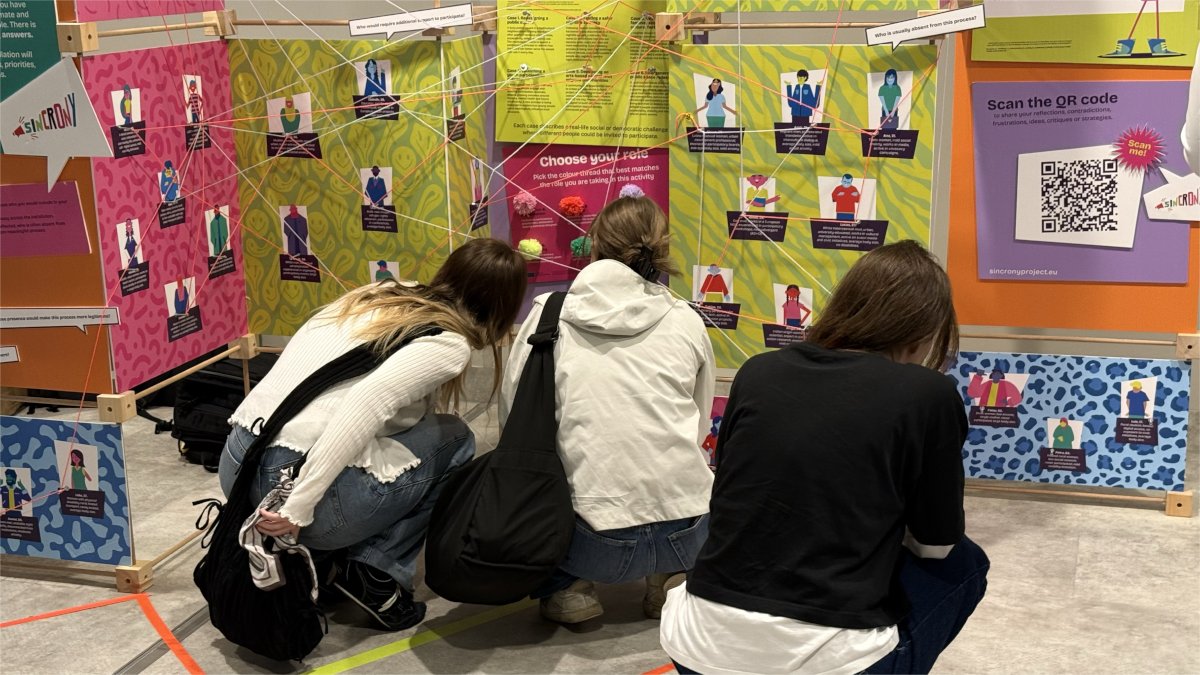
This is where the main tension of the exercise appears. When the pathway focuses on those who are closer to the centre, the process seems simpler, faster and more efficient, and even more inclusive in numerical terms, because it allows more people to be connected using fewer resources. But that inclusion may take place within the same circle of power, or in areas already closer to the centre, leaving out those who most need to be heard. When participants try to include people located at the margins, the thread starts not to reach. Resources become stretched. Decisions become more difficult. Inclusion stops being a nice word and becomes a concrete experience: moving, bending down, stretching out an arm, measuring, choosing, giving something up and thinking again.

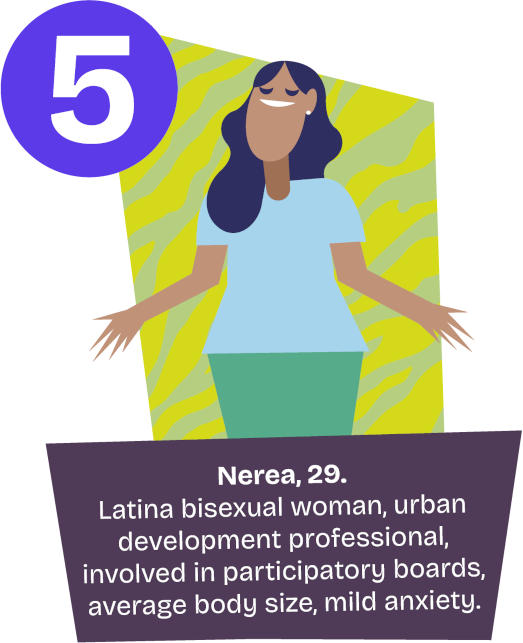
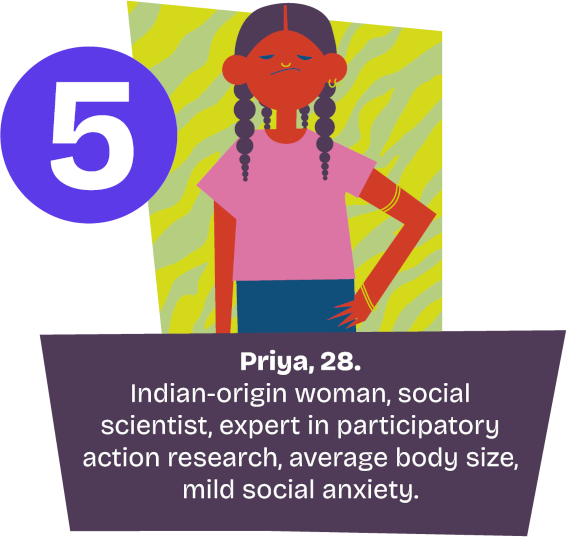
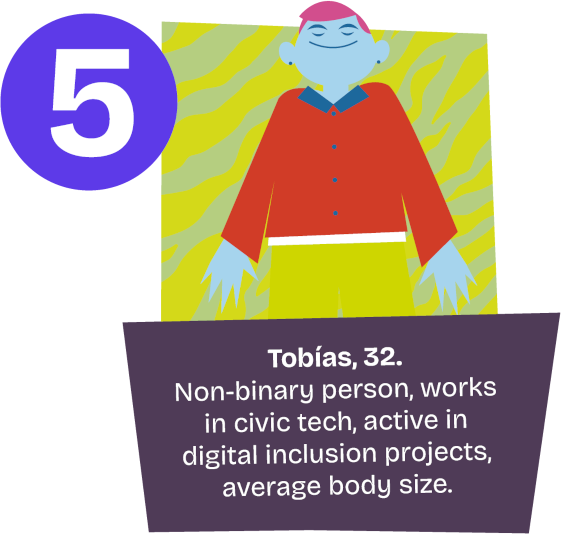
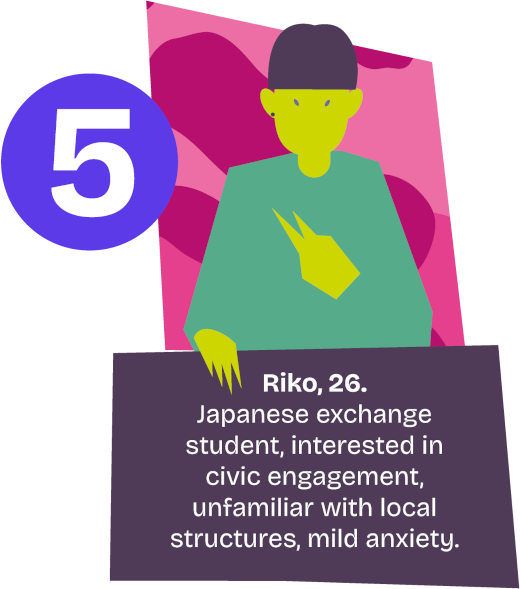
The exercise shows that designing participation in a democratic process is not simply about “inviting everyone” or including as many people as possible. Each scenario presents a specific challenge and therefore requires reflection on which profiles make the process more legitimate: who is affected, who is usually left out, who brings situated experience, and which voices are necessary in order to better understand the problem. The selection of participants depends on the specific use case and the tensions it raises.
But this is where the difficulty appears: the profiles that are most relevant to the legitimacy of the process are not always the easiest to reach. Participation requires real conditions: time, accessibility, trust, clear language, support, care and resources. For that reason, the question is not only who should be invited, but who can actually get there, remain and be heard. The installation translates this logic, linked to SINCRONY’s intersectional approach and to the identification of formal and informal barriers to participation [D2.1, p. 46], into a physical, visual and concrete experience.
It does not seek to determine which decision is right or wrong, nor to offer a perfect formula for participation. Its aim is to open up questions about inclusion, resources, barriers and democratic legitimacy.

Who do we include
first?
Why?
What criteria
do we use?
Who is left out when
resources are limited?

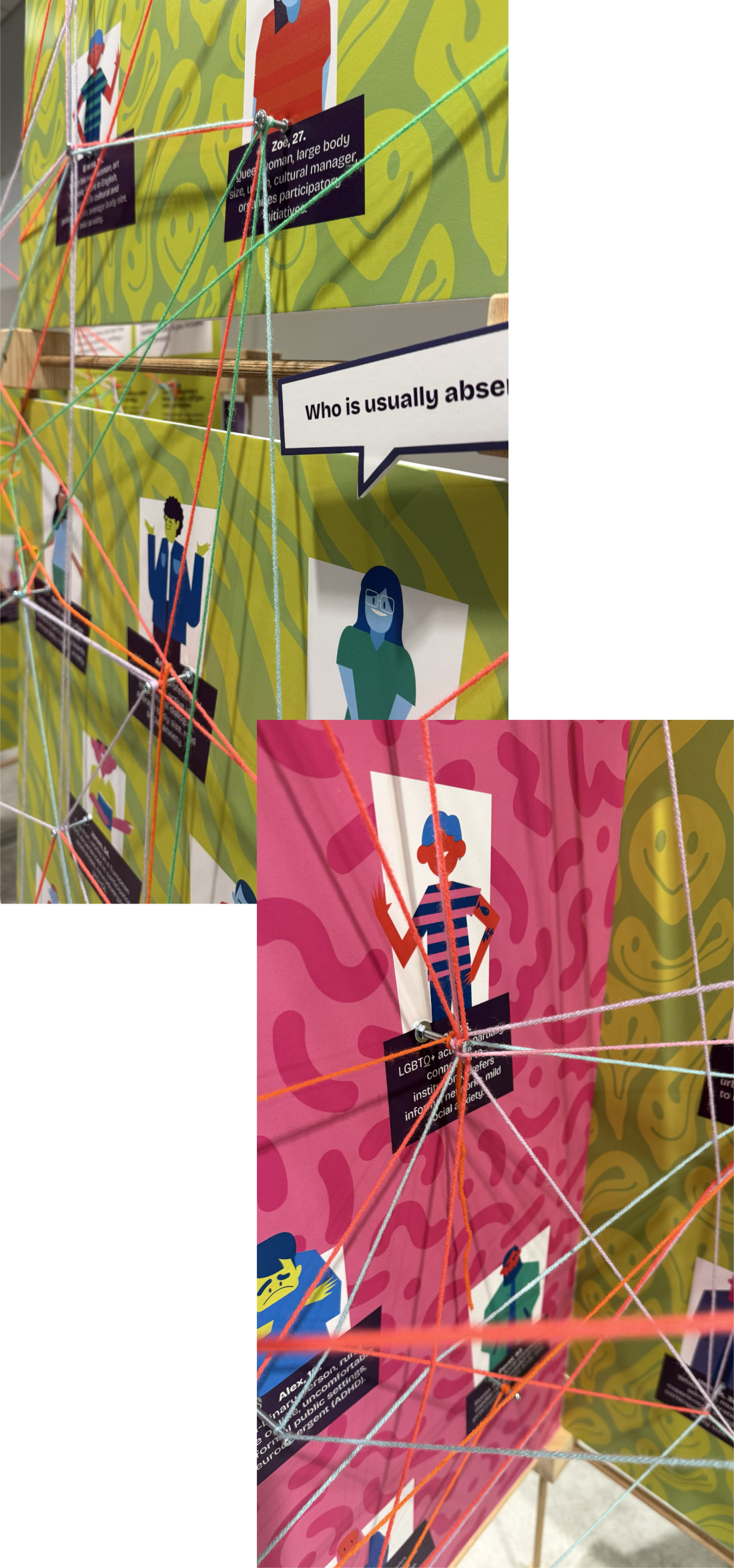
This experience also makes it possible to observe how each person makes decisions from their own point of view. Some people prioritise diversity; others, feasibility; others, balance, urgency or even quantity. The value of the exercise lies precisely there: in making visible that every participatory process involves decisions, tensions and limits.
The physical dimension is fundamental. By moving through the space, using their hands, tightening the thread, moving closer to or further away from certain profiles, participants understand with their bodies something that can sometimes remain too abstract in theory. Participation does not happen in a vacuum: it happens in concrete places, with concrete bodies, concrete barriers and limited resources.
In a world that is increasingly digital, fast and full of noise, this installation proposes slowing down. Thinking. Looking. Touching. Deciding slowly. Not all learning has to be immediate or simple. Sometimes, discomfort, frustration or difficulty are also part of the learning process.
With this installation, we try to turn theory into a tangible, playful and reflective experience. It invites people to play, but also to ask difficult questions. Because designing inclusive democratic processes is not only about opening a door, but about understanding who can cross it, who remains far away, who needs more thread, and what we are willing to change so that participation can truly become possible.
Participants who completed the exercise
Total profile selections
Available profiles
Profiles included at least once
Profiles not selected
Average selections per participant
Median selections per participant
Here are some of our conclusions based on the data we were able to collect in Kraków.
Distance from power seems to affect inclusion
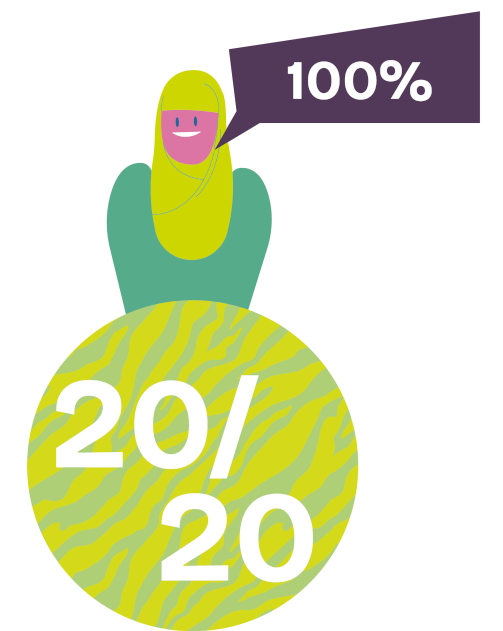
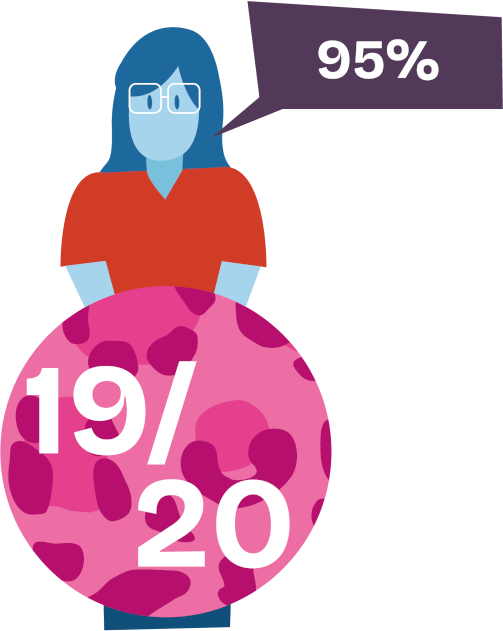
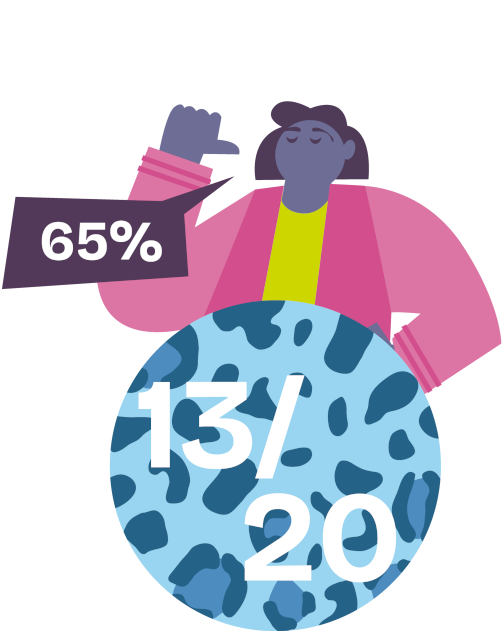
The most marginalised profiles are more easily left out
The 8 profiles not selected are:
Of these, 7 belong to the outer ring. In other words, almost all the profiles that were completely excluded are located in the group with the greatest structural distance from the centre. This clearly reinforces the idea that “inviting everyone” is not enough: barriers related to language, trust, mobility, age, literacy, digital access or precarity mean that more resources are needed for some people to be able to participate.
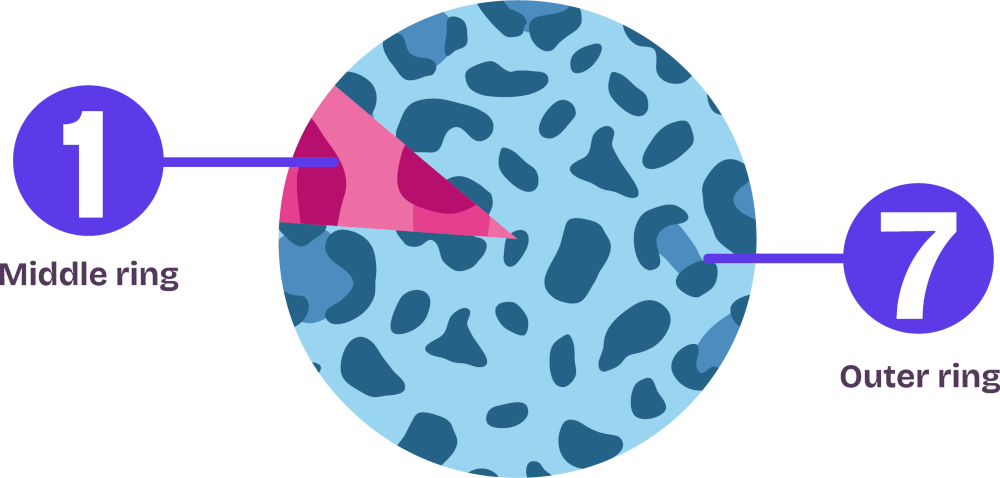
Inclusion is concentrated around “diverse but accessible” profiles
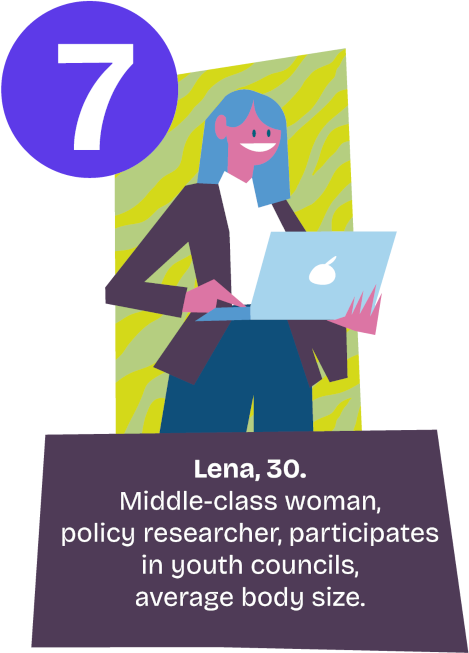
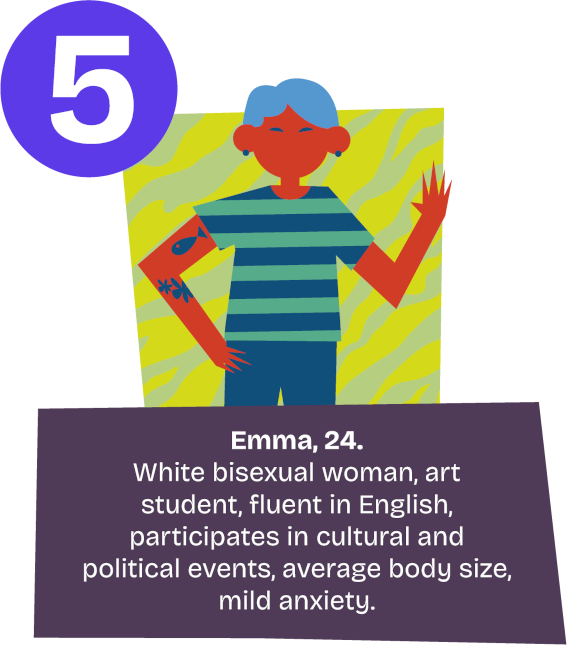
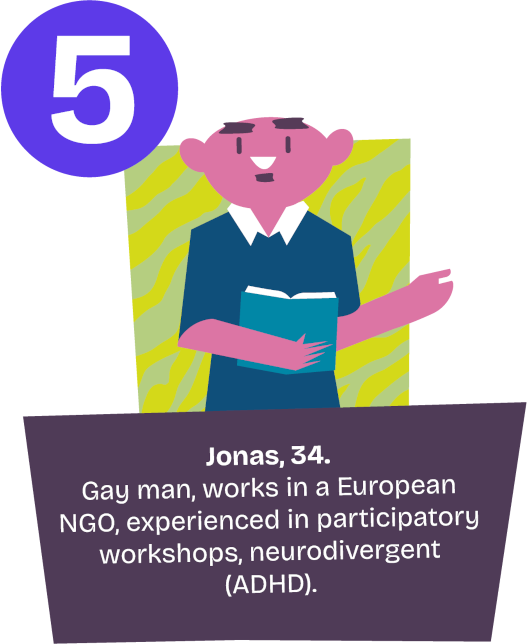
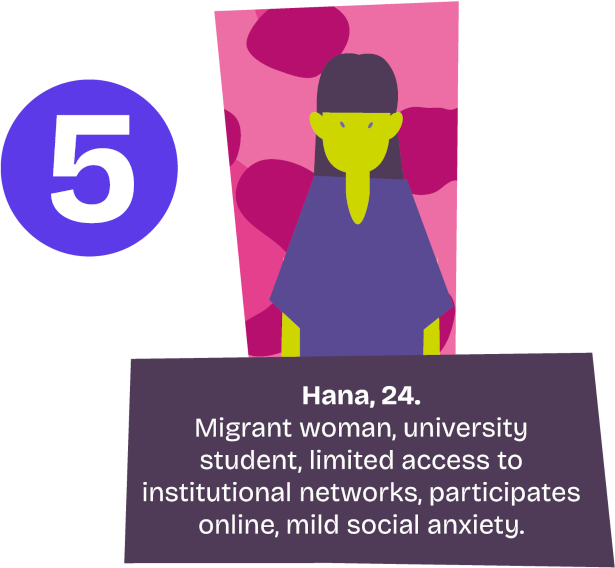
The installation is not intended as an empirical validation of SINCRONY’s results, but as an exploratory experience. Its value lies in translating some of the concepts developed by the project into a physical, visual and playful experience, where theory becomes body, space, pathway and decision.
Through art and participation, the exercise makes tangible a central question: what happens when we try to design more inclusive participatory processes under real conditions of limited resources, unequal barriers and different needs?
The exercise generates doubts, renunciations, discomfort, frustration, strategies, priorities and diverse ways of understanding inclusion. It does not offer definitive answers, but it helps transform complex concepts into a shared experience that allows us to think, feel and discuss what participation really means.